When you visit a place you’ve never been to before, what do you hope to see? The place for what it truly is, or what you expected it to be?
Expectations, those tiny snippets of information you carefully chose to paint a picture in your mind. And the reality? A real place presents you with complexity: a multifaceted, multidimensional, vivid present.
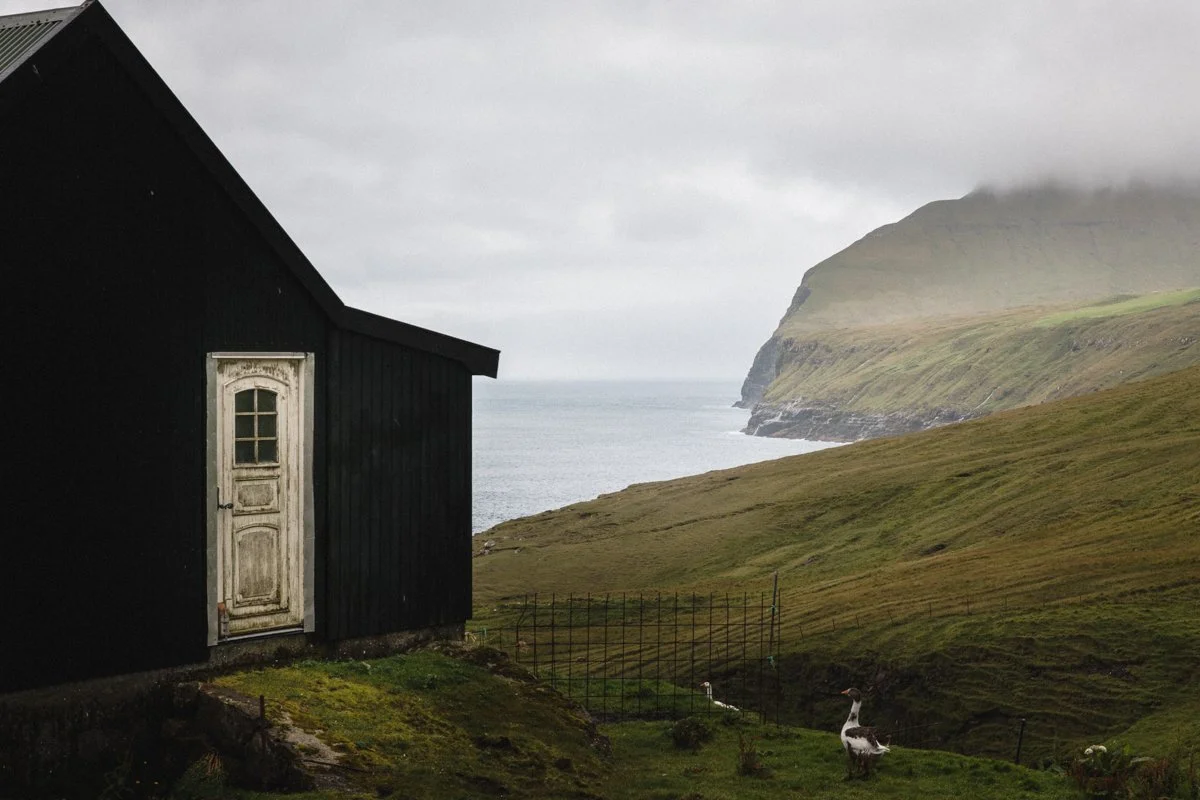
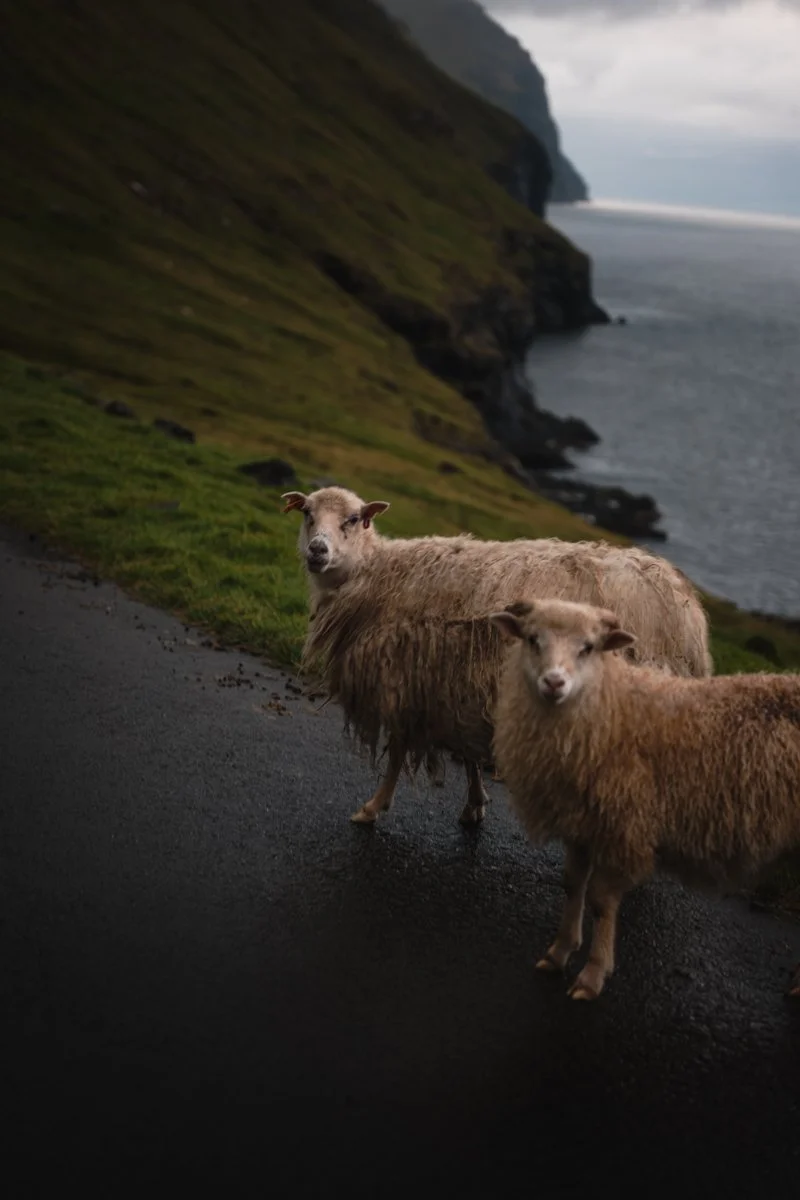
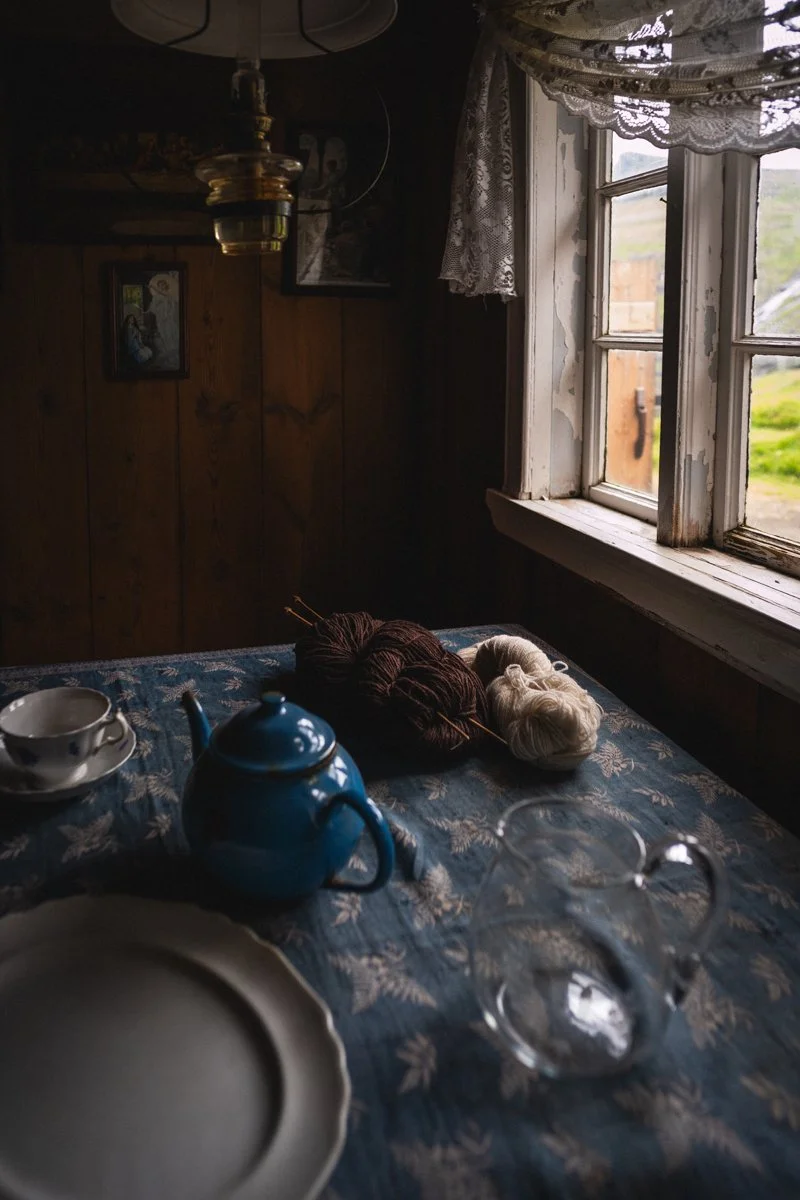
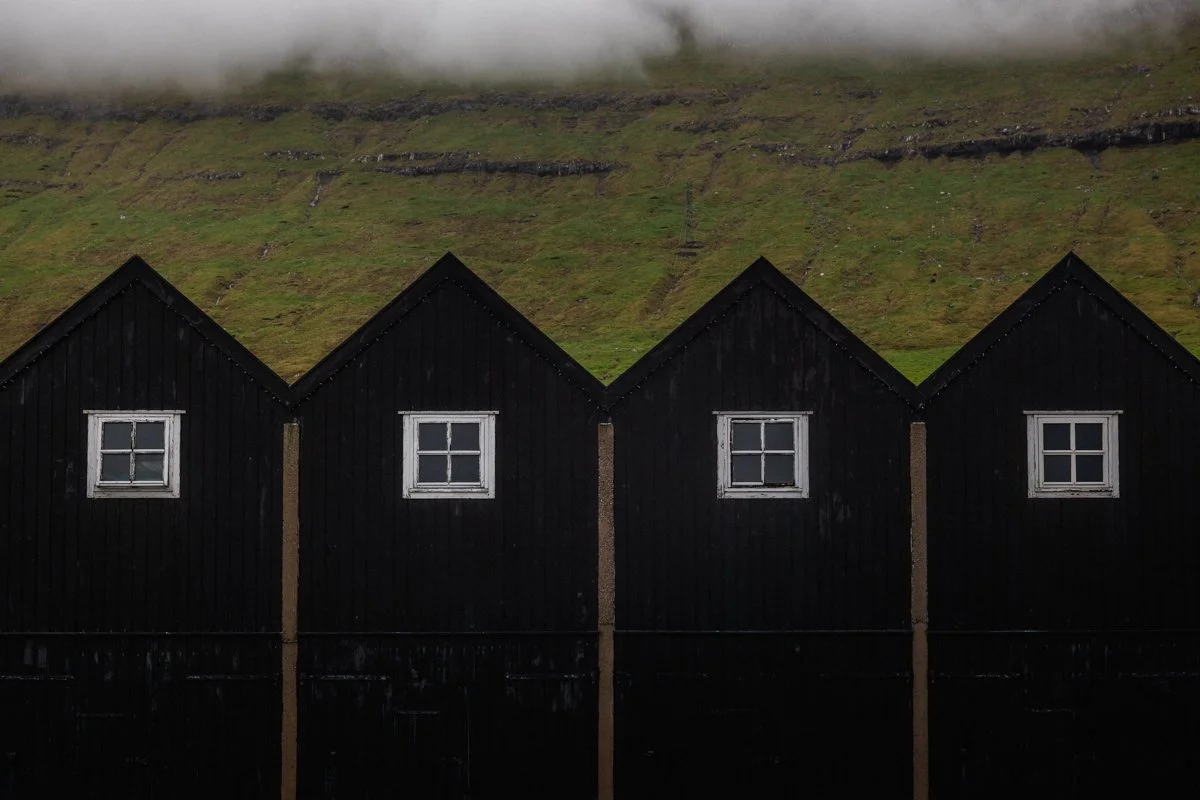
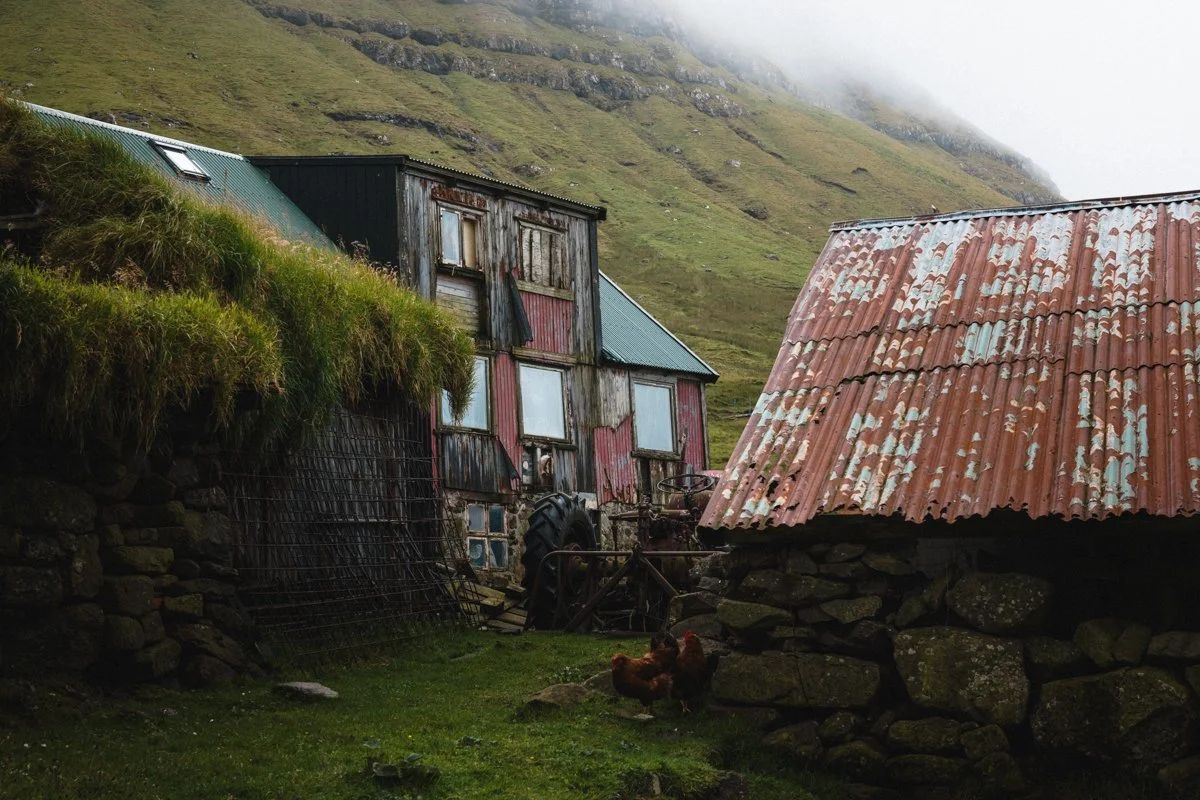
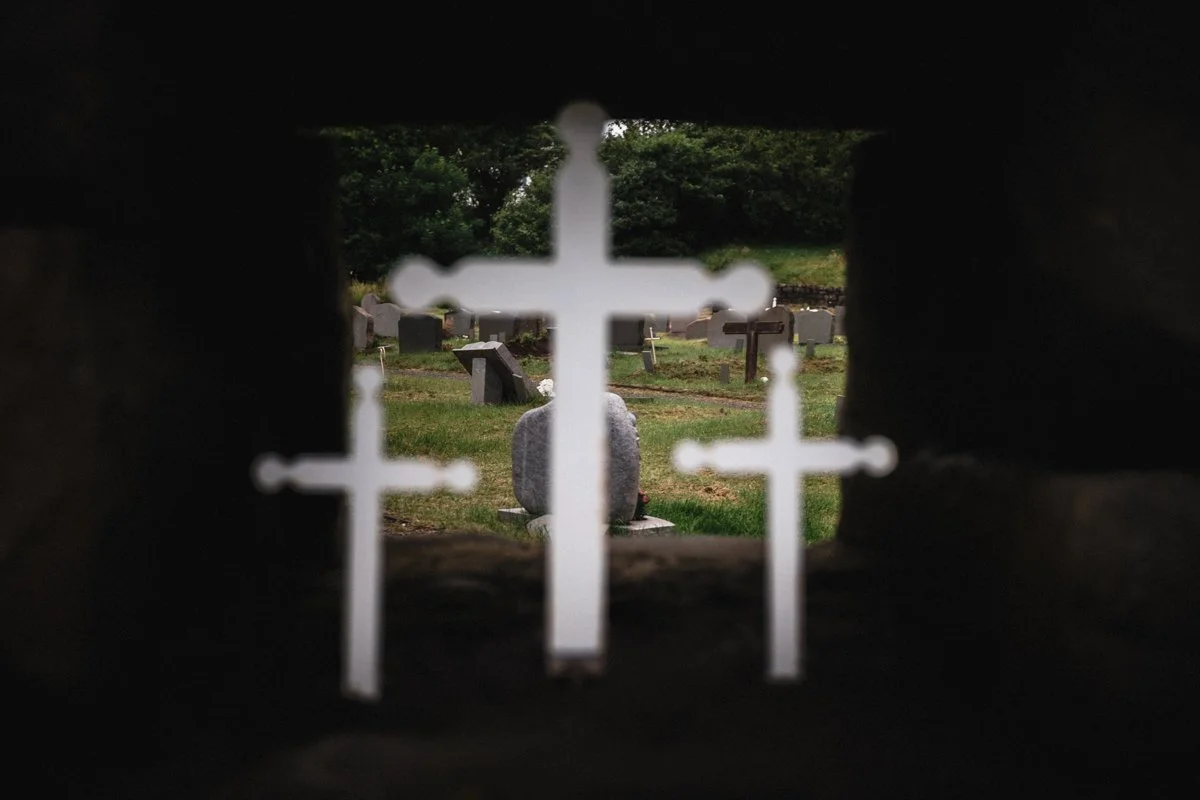
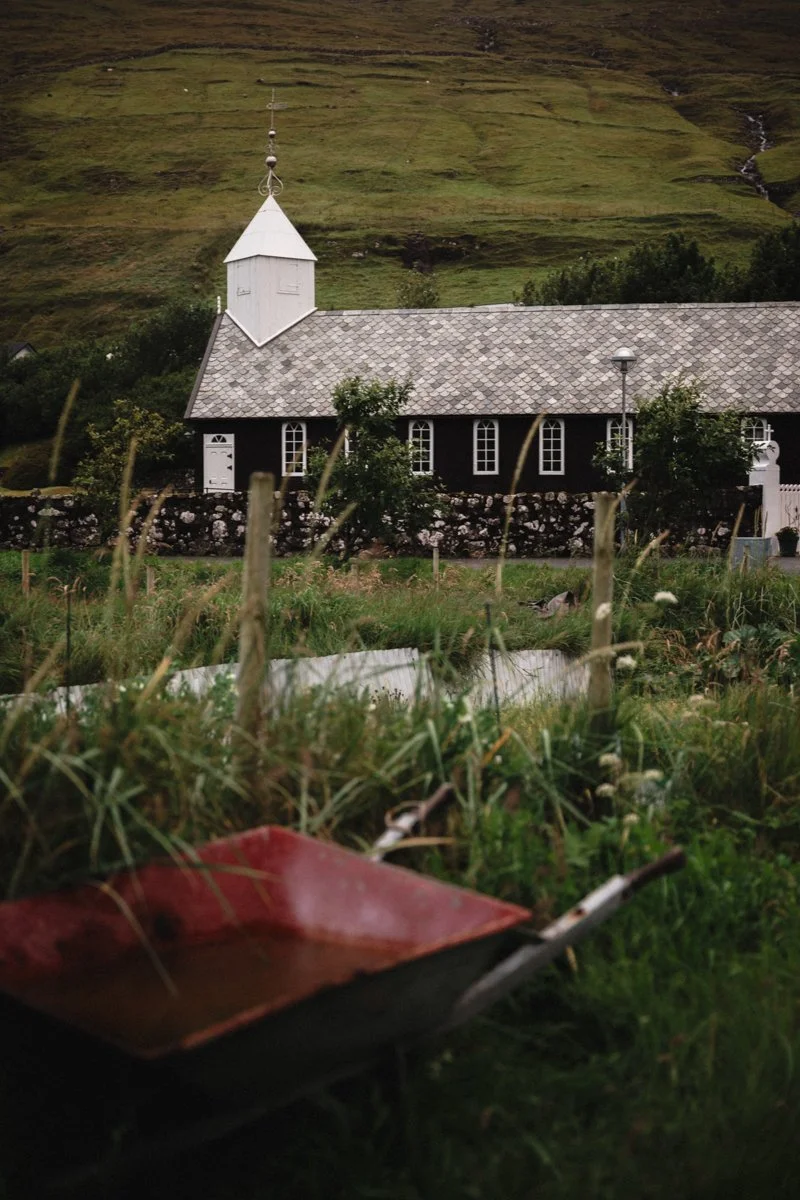
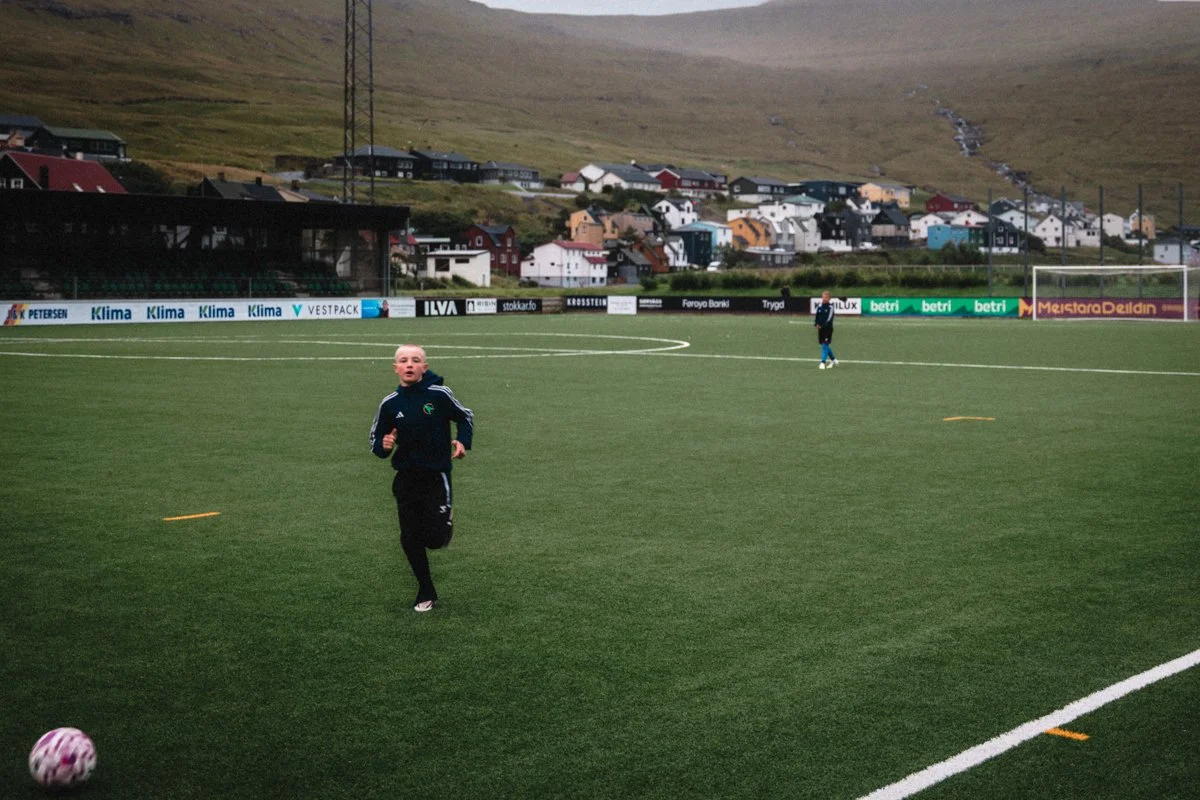
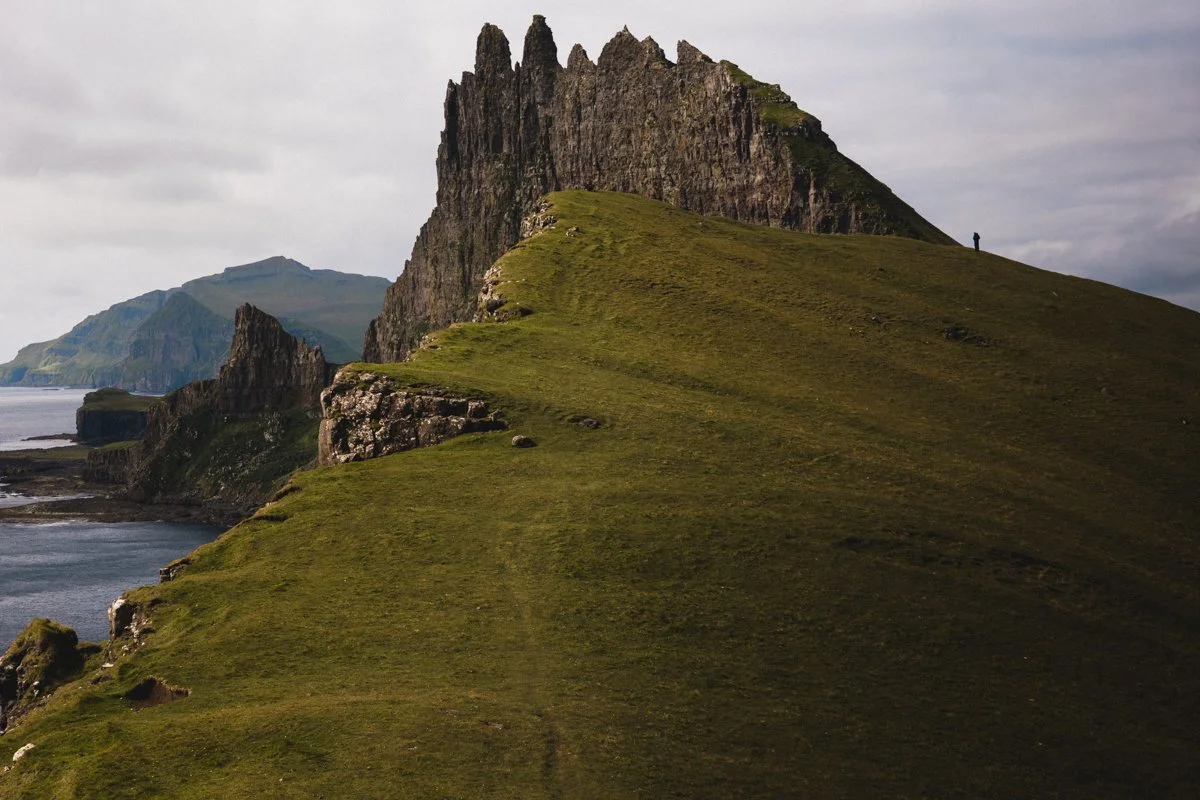
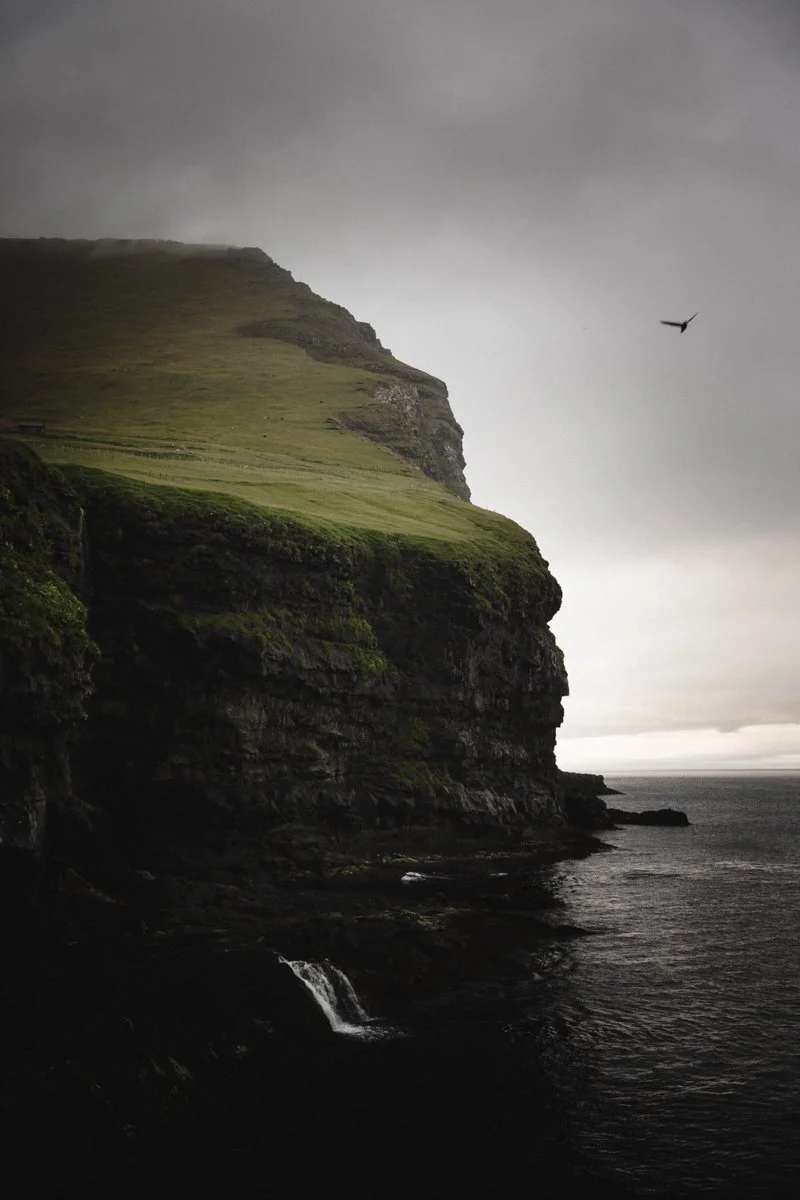
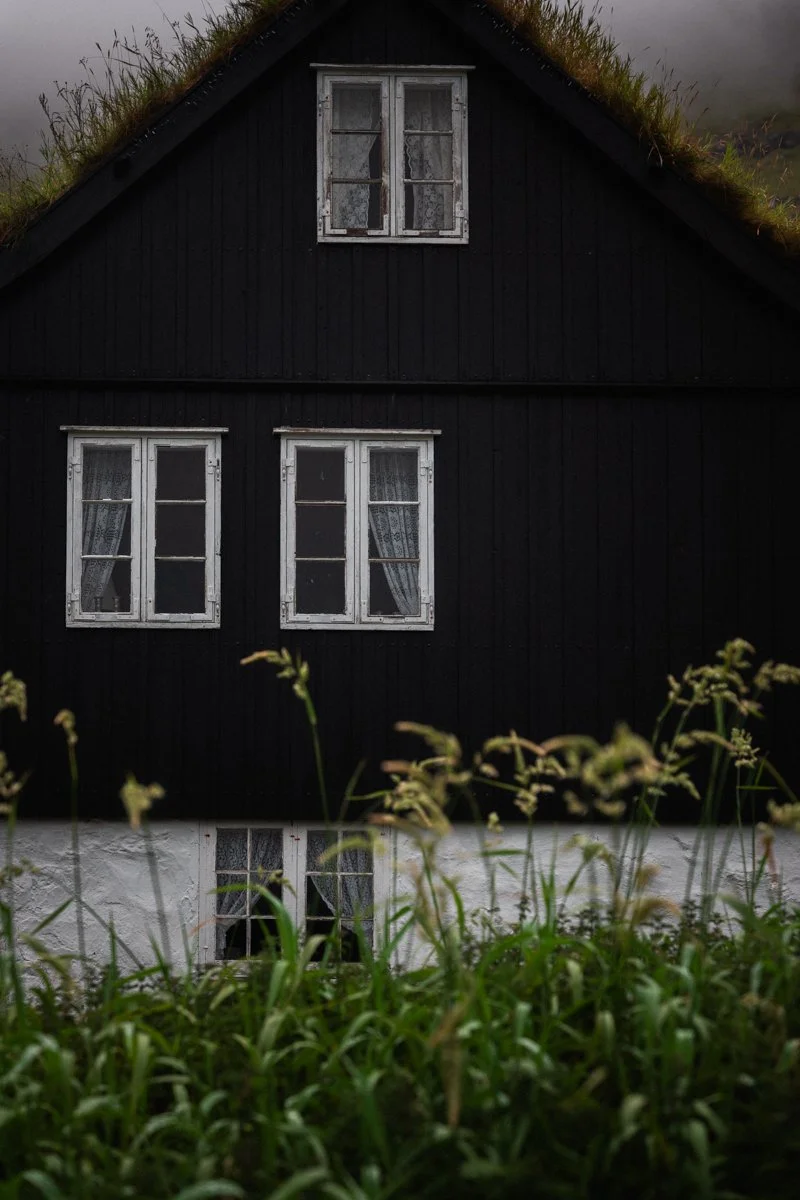
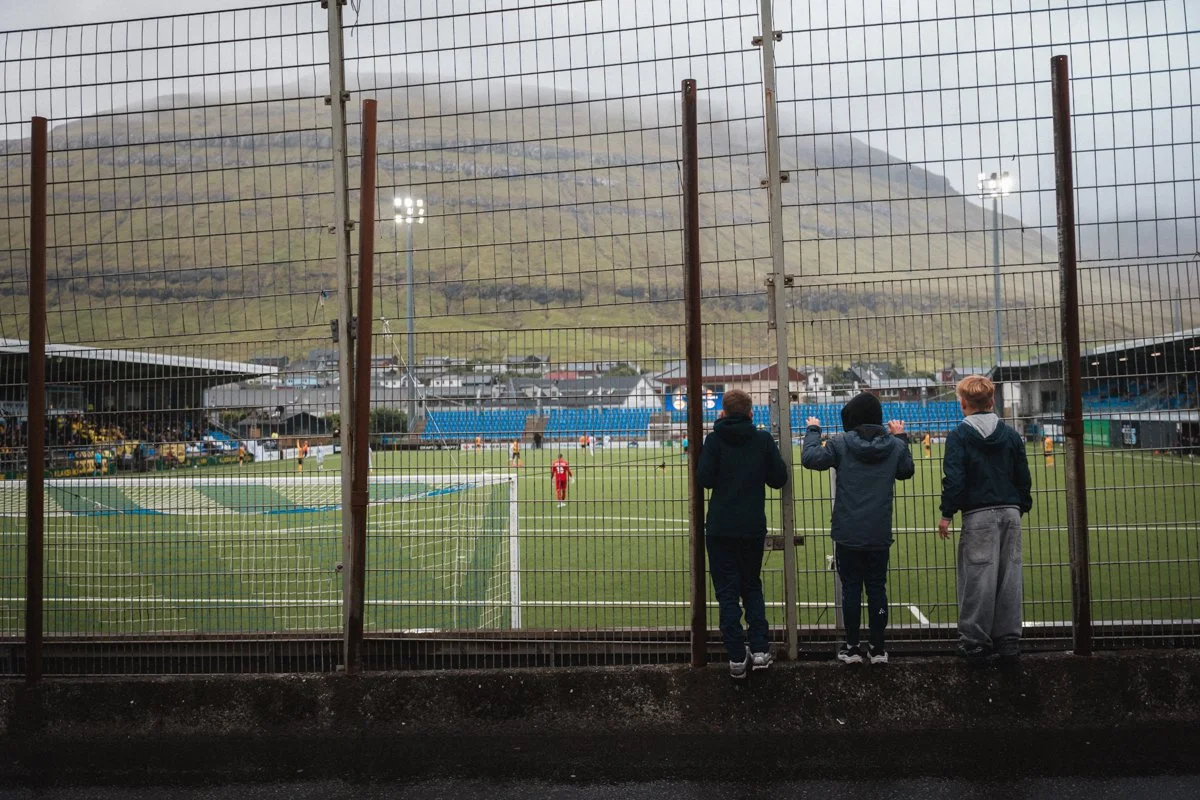
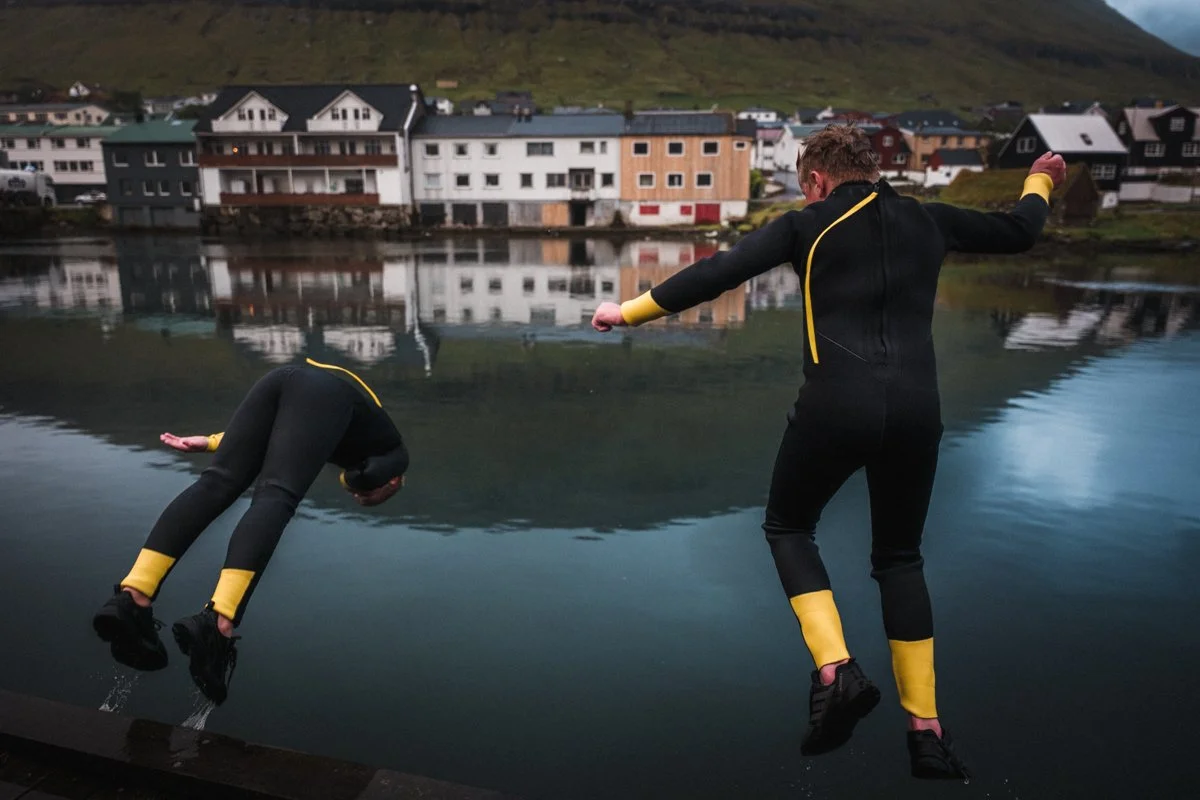
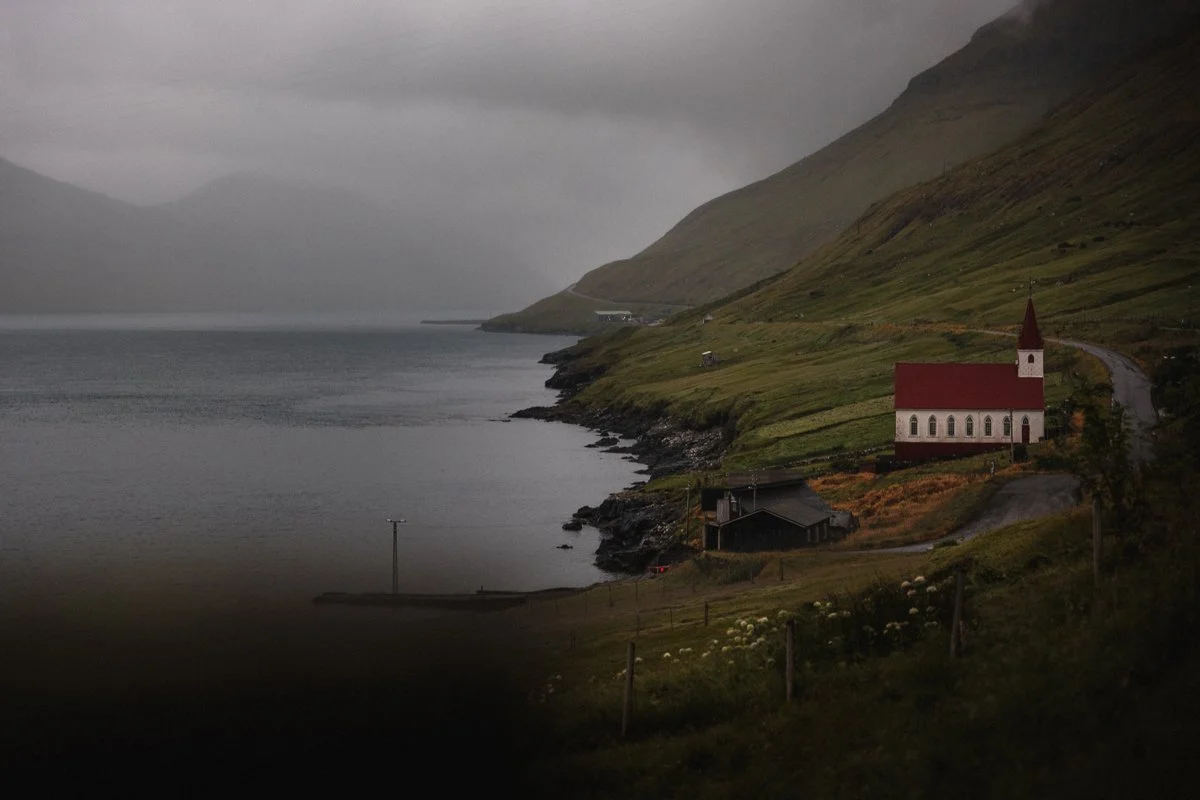
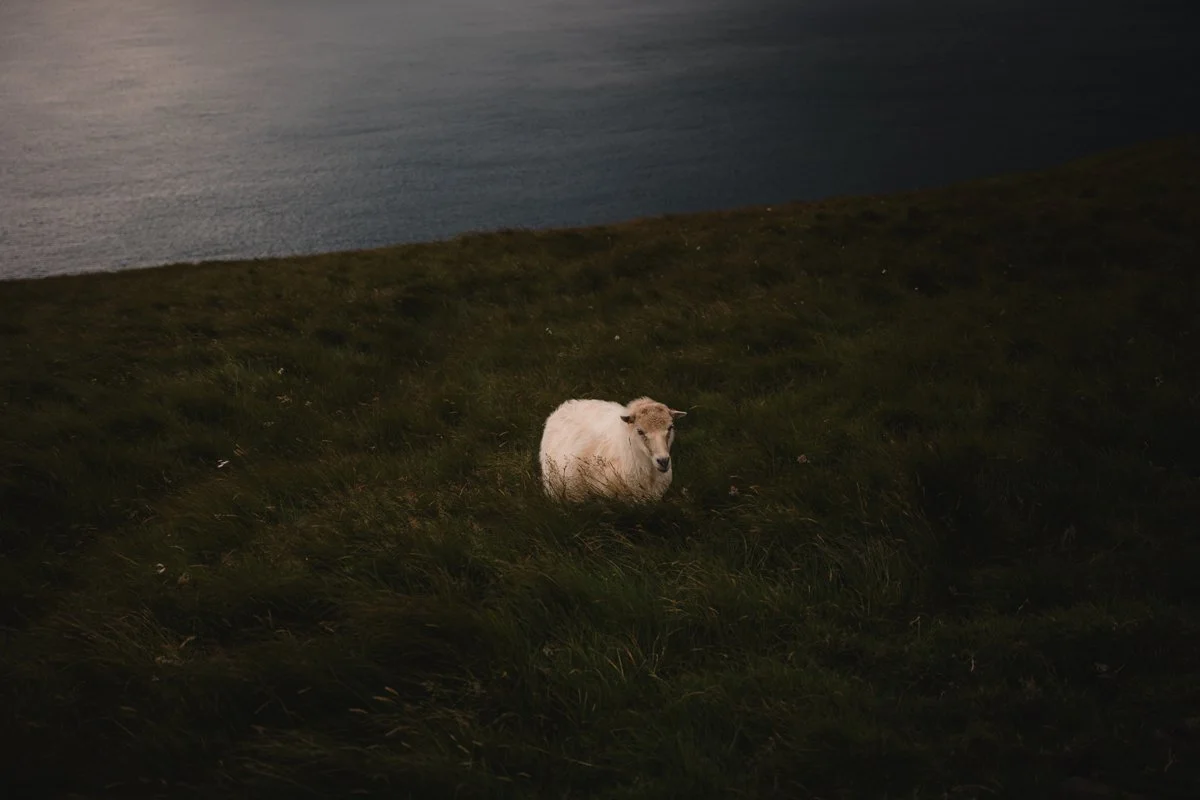
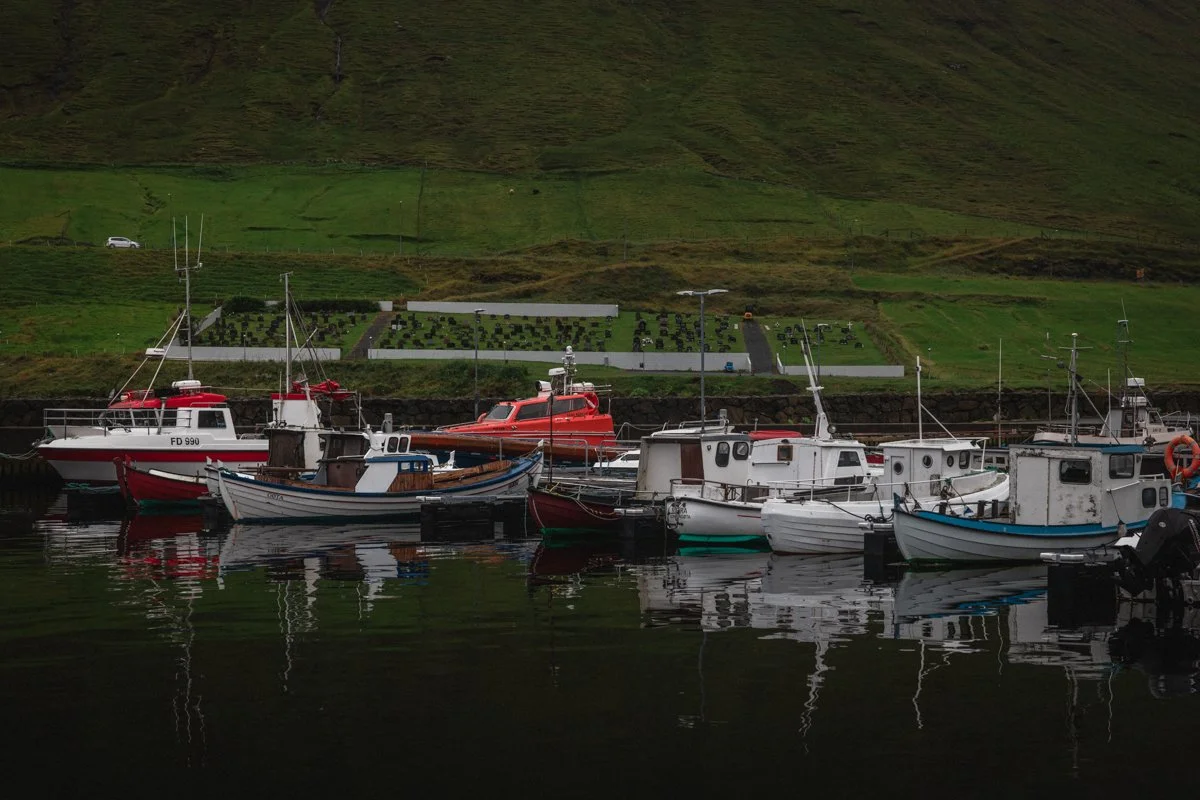
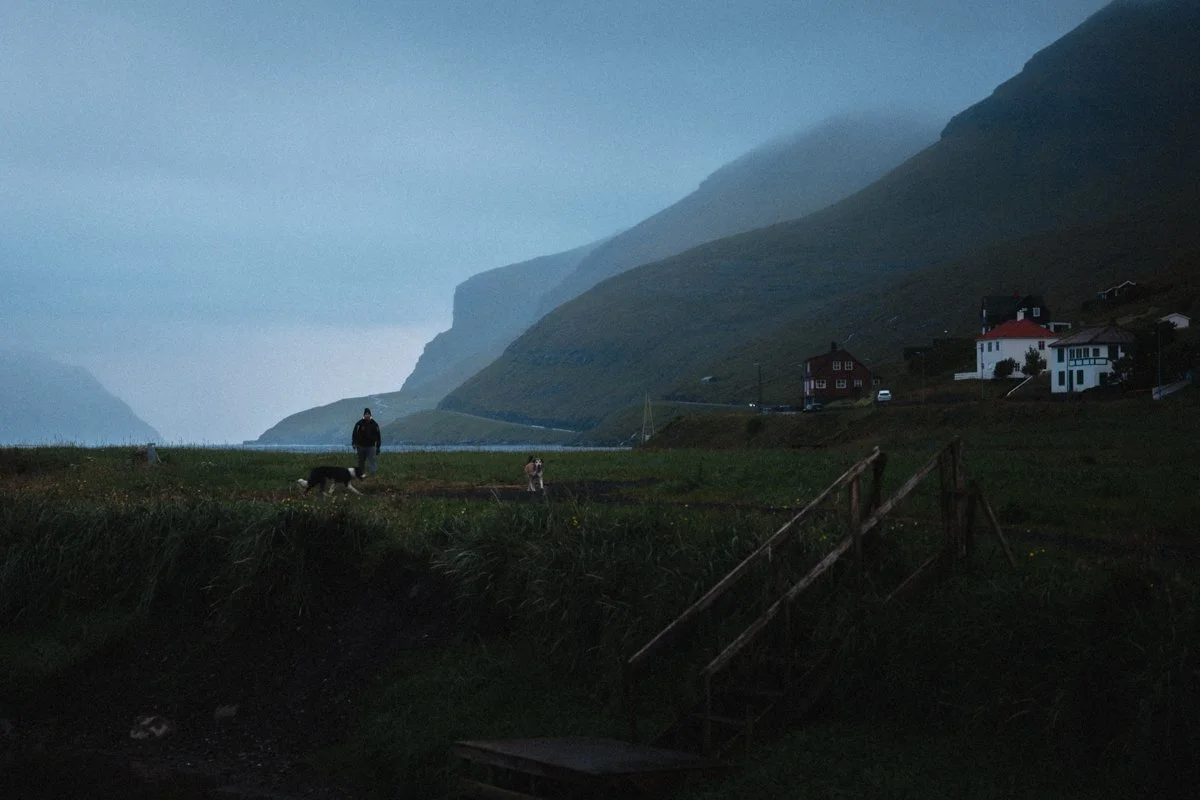
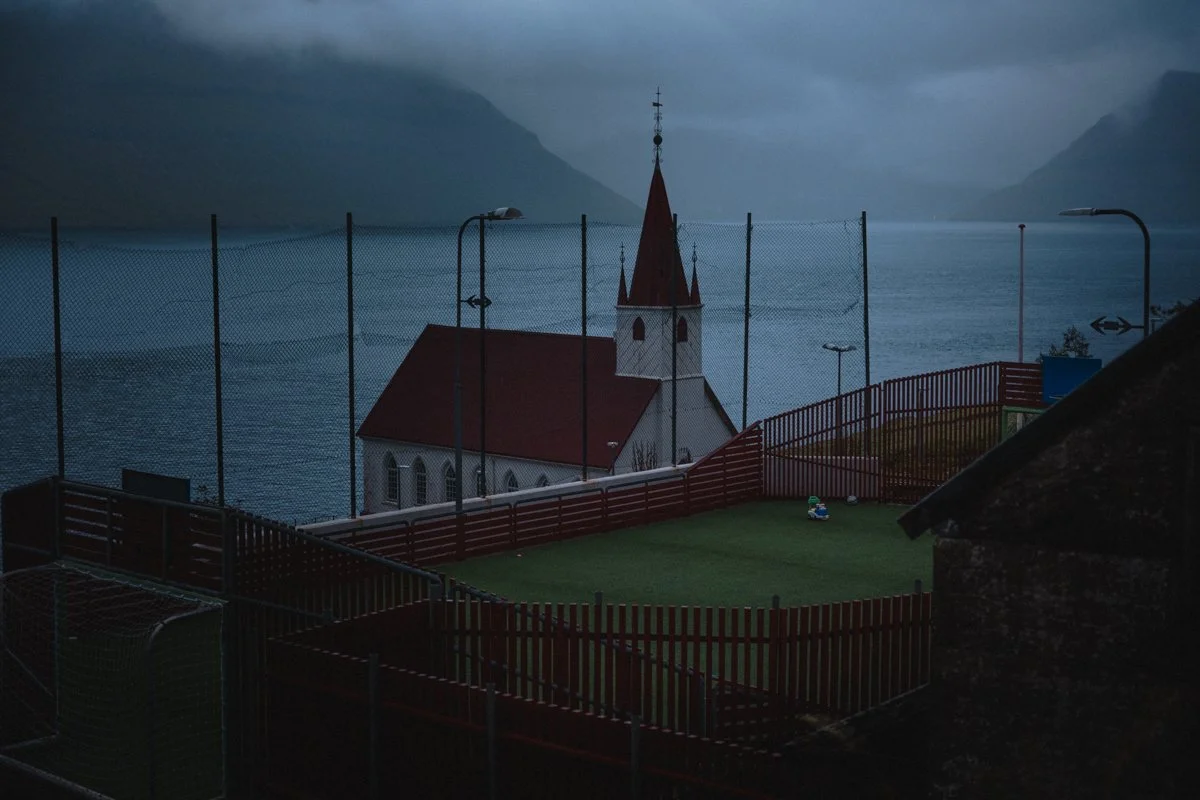
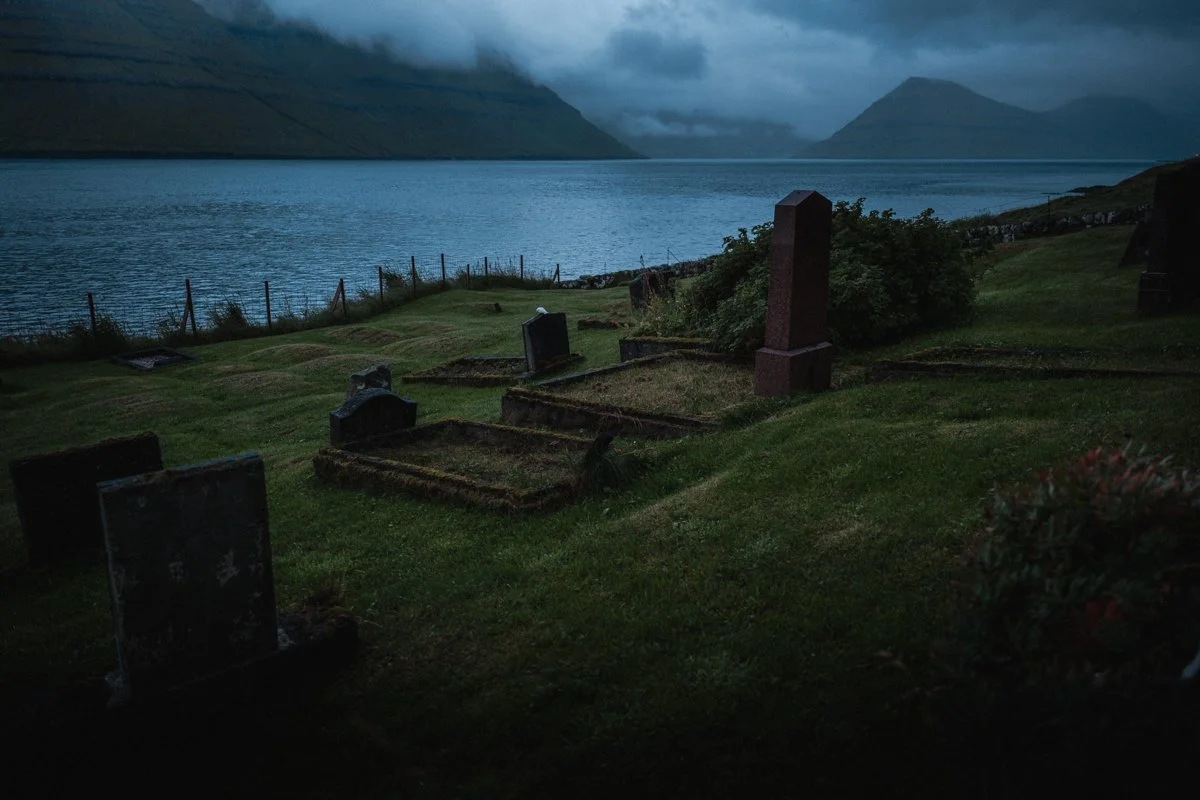
The Faroe Islands sit isolated in the middle of the North Atlantic, home to far more sheep than people. The temperature rarely climbs above 15°C (59°F), and the wind can practically sweep you off your feet. There are charming turf-roofed cottages with old-fashioned lace curtains, and waterfalls plunging at every turn beside some of the most jaw-dropping sea cliffs in the world. Remote villages with populations of just six people require a ferry ride followed by a drive along a single-lane mountain pass. And almost every single village has three seemingly mandatory things: a Lutheran church, a cemetery, and a football field.
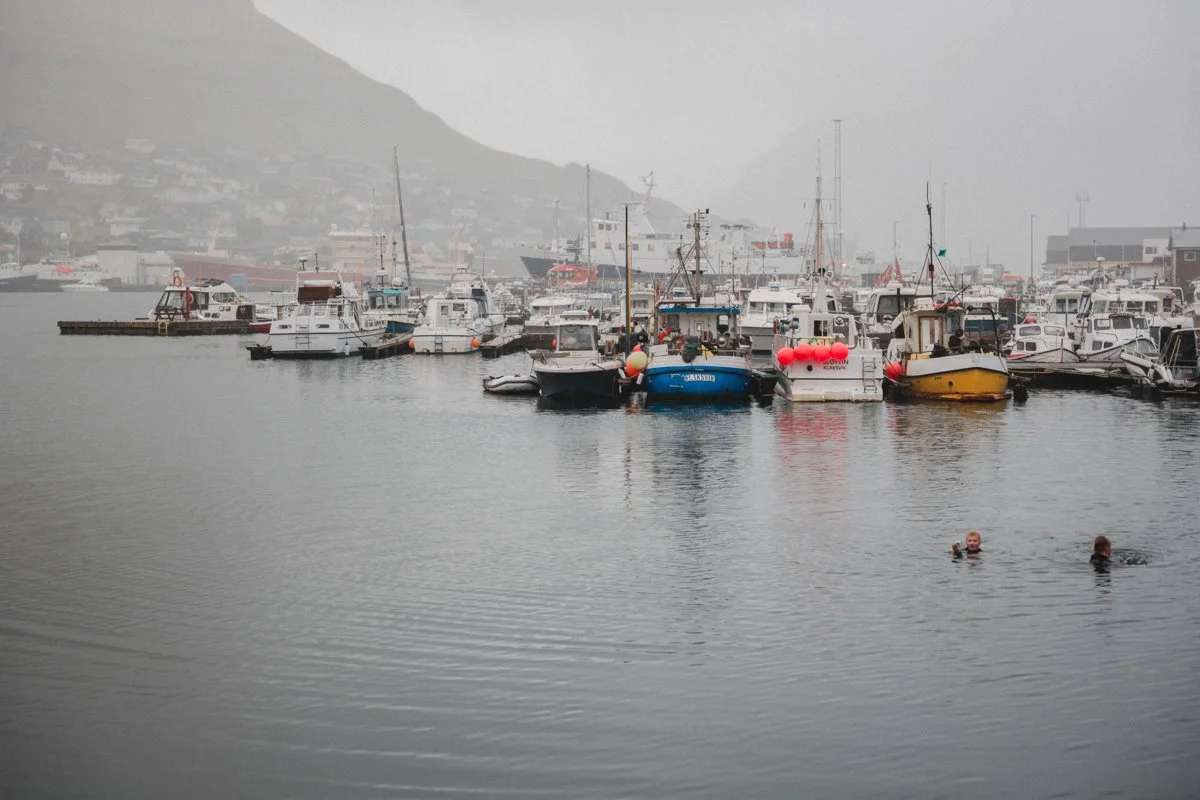
Locals told us we narrowly missed two weeks of pure sunshine; as much as I believe them, it is simply impossible to imagine the Faroes without heavy dark-blue clouds and the taste of rain on your lips.
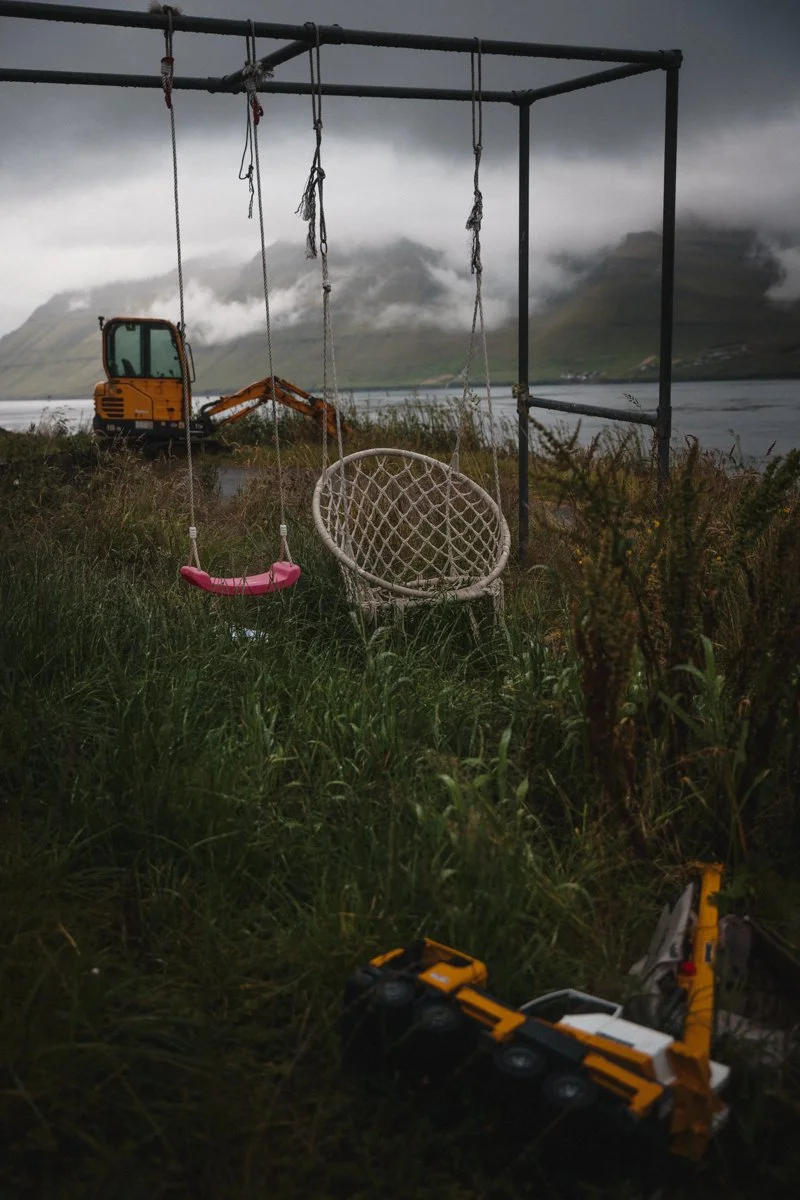
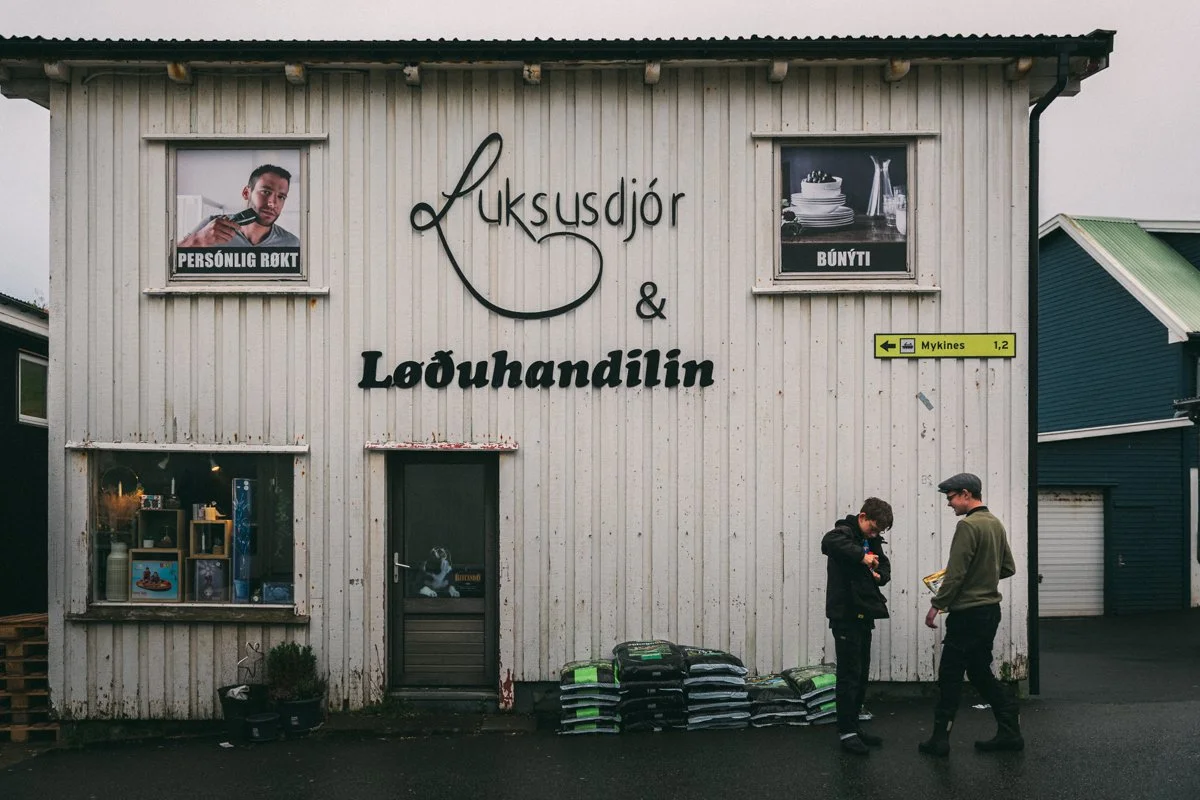
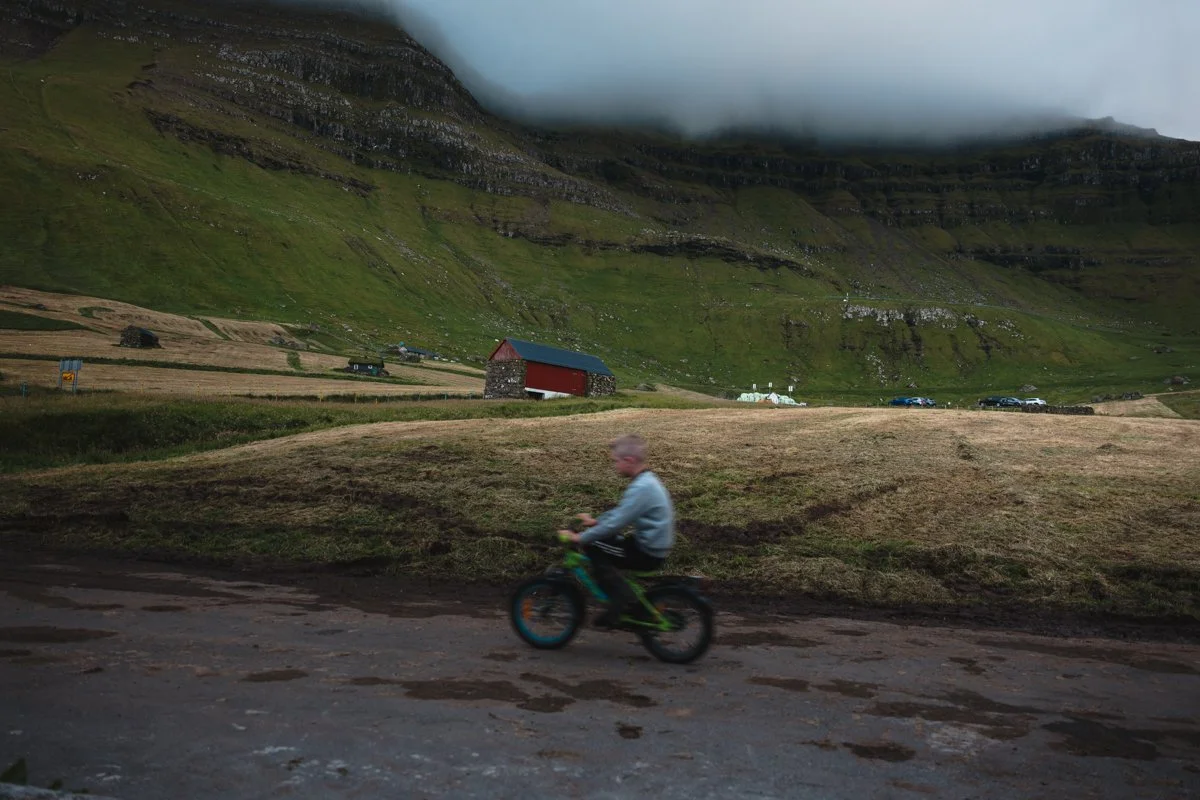
Right alongside that rugged isolation, there is also a myriad of electric cars, shopping malls, sleek glass Scandinavian architecture, and Michelin-starred restaurants. There is a modern, prosperous, and progressive society that cherishes the safe, close-knit world they built. Tunnels are carved deep under the ocean to connect the islands, and you won’t find a single place that doesn't accept a credit card. Daily life hums with kids' playful chatter, the sound of hammers framing new homes, and sheep constantly reminding everyone of their dominance.
Torn between the wild charm and this modern reality, I found myself leaning heavily into the romantic vision that drew me here. So, let this reportage be another tiny, biased snippet of information to paint a picture in your mind of a place you have never been to before.